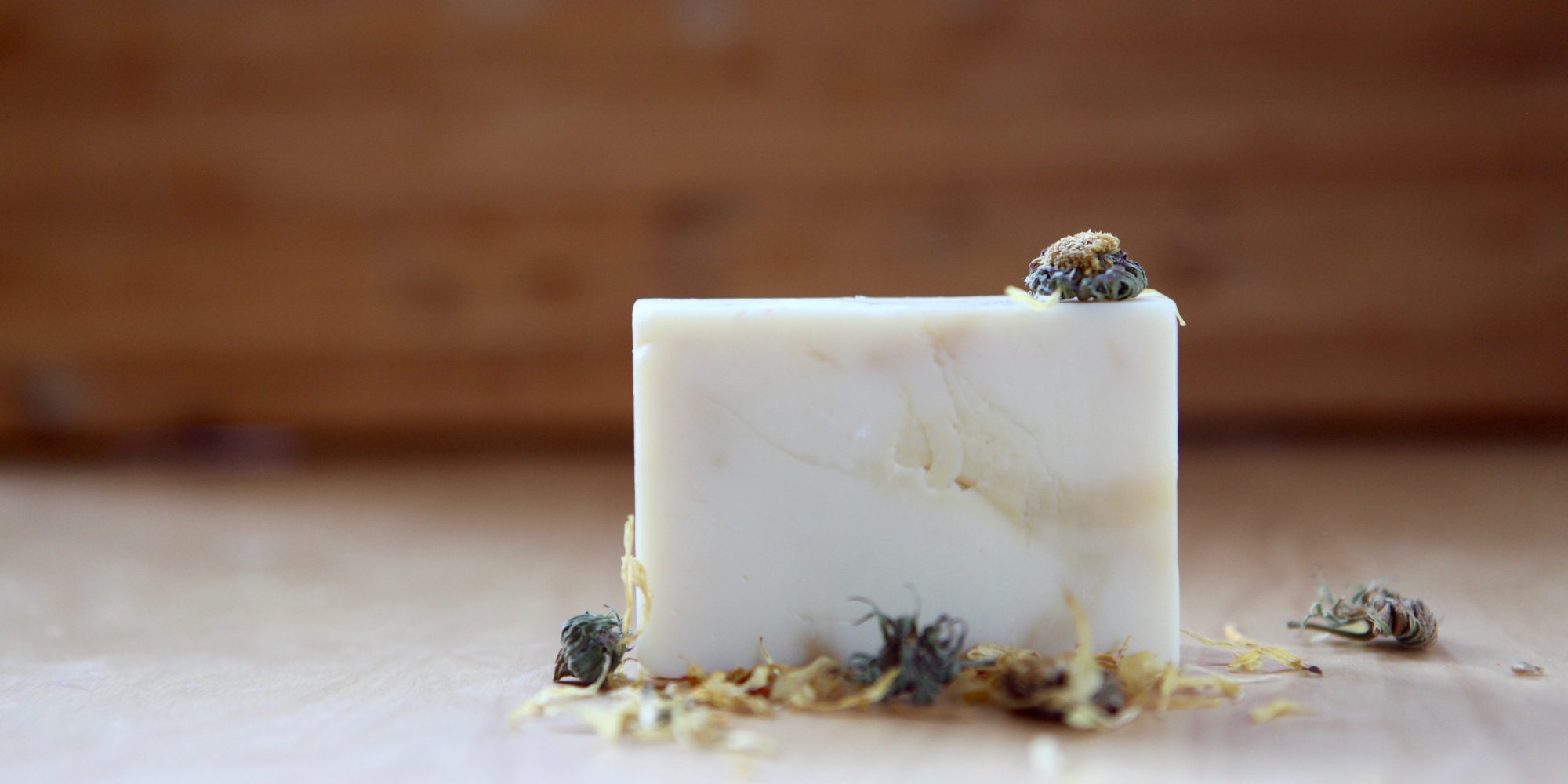
I feel it’s important a little bit to discuss shampoo bars in general. Like shampoos, bars are not for everyone. Shampoo bars are basically saponified oils (using lye), but with a much higher fat percentage, which is quite different to how liquid shampoos are formulated. There are some strong opinions about liquid vs shampoo bars in the cosmetics world- mainly that shampoo should be formulated at a specific ph range, which is different than the natural ph of shampoo bars. The only shampoo bars I’m aware of that are true “shampoo in a bar”, are by Lush. They use special machinery to mix, then compress raw shampoo ingredients into a solid bar. But as with the ingredients needed to make liquid shampoo, the raw ingredients aren’t coconut/palm free :(. Something I hope is in the process of changing as sustainable products are gaining better traction. The saponifying and sudsing ingredients found in liquid shampoos don’t need to be derived from coconut or palm, it’s just still cheaper to do so. There are some companies in Europe that are developing other derivatives, which while I no longer formulate professionally, I am keeping an eye on it as that would be a serious game changer in coconut free formulation!
Like the body bars, shampoo bars can be made with any combination of oils that you think will do well with your hair type. So the sky is the limit once again. The key to formulating shampoo bars vs body bars is a higher superfat percentage per bar, that way it won’t strip the hair too much. That saying, when making your own, you can begin to try different percentages to find the best balance for your hair. Clays and herbs can be great in shampoo bars and it’s also fun (and beneficial) to add natural plant saponins- like yucca root or soap nuts powder or a conditioning powder like Amla into the bar mix. Using the more emollient shampoo bar formula is also great for those with highly sensitive skin as body bars.-they make great “everything bars” that can work from head to toe. I have a bar that I make using the shampoo bar formula along with sea salt and use it as my favorite shaving bar.
The tricky part about shampoo bars is that they are known for leaving residue for many, and can take awhile for the hair to adjust to. Often, that means an adjustment period of 2-4 months where the hair feels like a giant greaseball, and then it starts to feel better. Apple cider vinegar or white vinegar rinses are helpful with this stage, and helpful even after with rinsing “clean”, especially if you have hard water. Another note on the vinegar rinses, they help restore the correct PH to the hair after using shampoo bars. Conditioner is not necessary for some with using shampoo bars, but this of course varies with hair type. However, the traditional shampoo then conditioner process is not necessarily the same once used to using shampoo bars, so I would recommend experimenting to find the right balance.
 True Love Soap Company